Dental Implants
Dental Implants vs. Dentures: Which Is the Better Long-Term Choice?

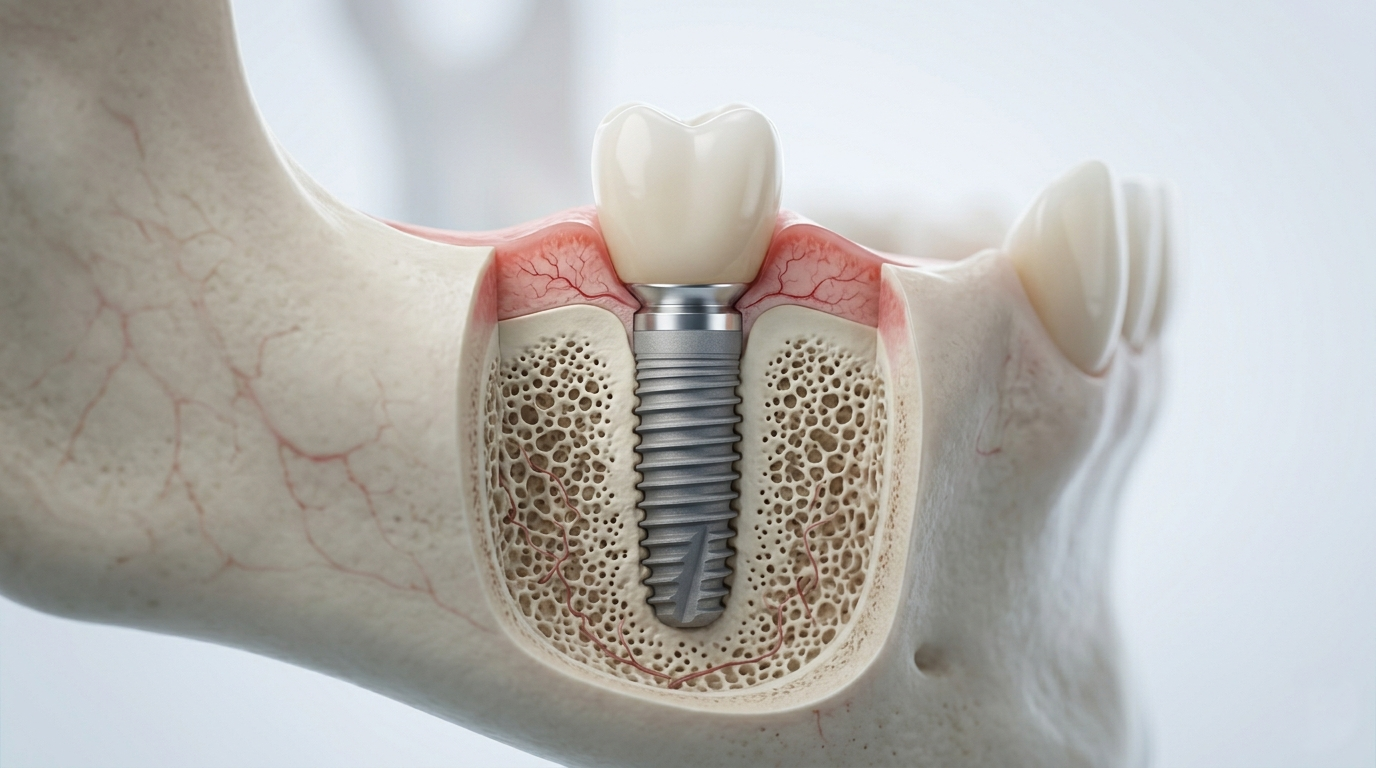
Missing teeth can affect more than your smile; they can impact your confidence, speech, eating habits, and long-term oral health. This guide compares dental implants and dentures, explaining their benefits, limitations, costs, and longevity to help you make an informed decision about the best long-term solution for your smile.
Dental Implants vs Dentures: What Is the Difference?
When comparing dental implants vs dentures, the biggest distinction is how they replace missing teeth.
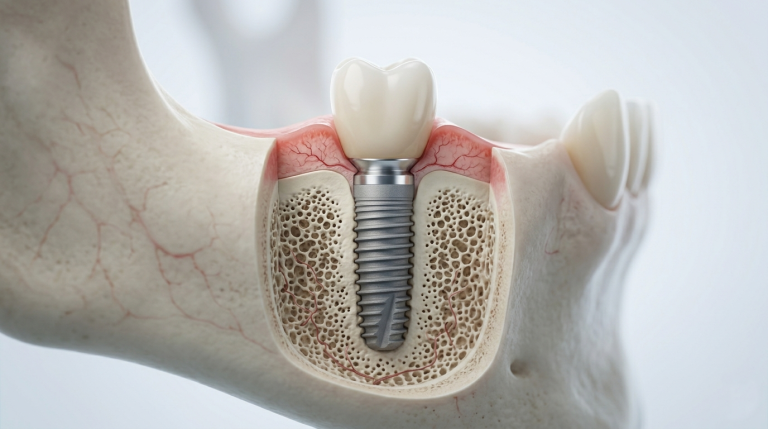
Dental implants are artificial tooth roots surgically placed into the jawbone. They support replacement teeth that look, feel, and function similarly to natural teeth.
Dentures are removable appliances designed to replace multiple missing teeth or an entire arch of teeth.
While both options restore smiles, they do so in very different ways.
Think of dentures as a removable replacement solution, while implants become a more permanent part of your mouth.
Understanding these differences is often the first step toward choosing the right treatment.
Why Do Patients Need Tooth Replacement Options?
Missing teeth can create more than cosmetic concerns.
Without treatment, patients may experience:
- Difficulty chewing certain foods
- Changes in speech
- Shifting of surrounding teeth
- Jawbone loss
- Reduced self-confidence
Replacing missing teeth helps preserve both oral function and overall quality of life.
At Elevated Smiles, patients are encouraged to explore solutions that not only restore appearance but also support long-term oral health.
What Are Dental Implants?
Dental implants consist of three primary components:
- Implant post
- Connector (abutment)
- Custom restoration
The implant post integrates with the jawbone through a process called osseointegration. This creates a stable foundation for replacement teeth.
One reason implants are often considered the gold standard in tooth replacement is their ability to function similarly to natural tooth roots.
Patients interested in learning more about modern tooth replacement solutions often explore dental implant treatment options as part of their research.
What Are Dentures?
Dentures are removable prosthetic devices designed to replace missing teeth.
There are several types:
Full Dentures
Replace all teeth in the upper or lower arch.
Partial Dentures
Replace multiple missing teeth while preserving remaining natural teeth.
Implant-Supported Dentures
Combine dentures with implant stability for improved retention.
Modern dentures have improved significantly over the years and can provide a natural-looking appearance when properly fitted.
What Are the Pros and Cons of Dental Implants vs Dentures?
Understanding the dental implants vs dentures pros and cons can help patients evaluate their options more effectively.
Dental Implant Advantages
- Stable and secure
- Mimic natural teeth
- Help preserve jawbone density
- Do not require adhesives
- Long-lasting solution
- Support normal chewing function
Dental Implant Considerations
- Higher initial investment
- Requires surgery
- Longer treatment timeline
Denture Advantages
- Generally lower upfront cost
- Non-surgical option
- Faster treatment process
- Suitable for extensive tooth loss
Denture Considerations
- May shift during eating or speaking
- Require periodic adjustments
- Can contribute to bone loss over time
- Often need replacement sooner than implants
Neither solution is universally better. The right choice depends on individual needs, goals, and oral health conditions.
Which Option Lasts Longer?
One of the most important long-term considerations is durability.
Dental Implant Longevity
With proper care, dental implants can often last:
- 20 years or more
- Sometimes a lifetime
The replacement crown may eventually require maintenance, but the implant itself is designed for long-term function.
Denture Longevity
Traditional dentures generally require replacement every:
- 5 to 10 years
Changes in the jawbone and gum tissues can affect fit over time.
For patients focused primarily on longevity, implants often provide a significant advantage.
How Do Implants and Dentures Affect Bone Health?
This is one of the most important differences between the two options.
When a natural tooth is lost, the jawbone no longer receives stimulation from the tooth root.
Dental Implants
Implants help preserve bone because they stimulate the jaw similarly to natural roots.
This may help:
- Maintain facial structure
- Reduce bone loss
- Support long-term oral health
Dentures
Traditional dentures sit on top of the gums and do not stimulate the jawbone.
Over time, this can contribute to:
- Bone shrinkage
- Changes in facial appearance
- Looser denture fit
According to the American Academy of Implant Dentistry, jawbone deterioration commonly occurs after tooth loss and can continue when roots are not replaced.
Which Option Feels More Natural?
Many patients describe implants as feeling closest to natural teeth.
Because implants are fixed in place, they typically allow for:
- Stronger biting force
- Better chewing efficiency
- Greater confidence when speaking
Dentures can restore function successfully, but some patients require time to adjust to wearing them.
A common real-life example involves eating.
A patient with implants may comfortably enjoy foods like apples or steak, while a denture wearer may need to be more cautious with certain foods.
How Does Maintenance Compare?
Dental Implant Care
Implants are cared for much like natural teeth.
Maintenance includes:
- Daily brushing
- Flossing
- Routine dental visits
No special soaking solutions are typically required.
Denture Care
Dentures require additional maintenance, including:
- Daily removal
- Cleaning solutions
- Overnight soaking
- Periodic adjustments
Some patients appreciate the simplicity of implant care over time.
Dental Implants vs Bridges: How Do They Compare?
Patients researching tooth replacement often compare dental implants vs bridges as well.
A traditional bridge fills a gap by using neighboring teeth for support.
Advantages of Bridges
- No surgery required
- Shorter treatment timeline
Advantages of Implants
- Preserve adjacent teeth
- Support jawbone health
- Often last longer
The best solution depends on the condition of surrounding teeth and overall oral health.
At Elevated Smiles, treatment recommendations are personalized based on each patient’s unique needs rather than a one-size-fits-all approach.
Who Is a Good Candidate for Dental Implants?
Many adults qualify for implant treatment, but ideal candidates generally have:
- Healthy gums
- Adequate bone density
- Good overall oral health
- Commitment to oral hygiene
Even patients who have experienced bone loss may still have treatment options available.
A comprehensive evaluation is the best way to determine eligibility.
Who May Benefit Most from Dentures?
Dentures may be a suitable option for patients who:
- Need to replace many teeth
- Prefer a non-surgical solution
- Have medical conditions that limit surgical treatment
- Need a lower upfront investment
Dentures continue to be a valuable solution for many individuals and can provide meaningful improvements in function and appearance.
What About Cost Over Time?
While implants often involve a higher initial cost, long-term expenses tell a more complete story.
Dentures may require:
- Relining
- Repairs
- Adjustments
- Replacement every several years
Implants generally require less replacement over time.
When evaluating costs, it is important to consider both immediate and long-term financial factors.
How Can You Decide Which Option Is Best for You?
Imagine two patients.
The first patient wants the most stable, long-lasting solution possible and values maintaining bone health. Dental implants may be an excellent fit.
The second patient prefers a non-surgical option and needs to replace multiple teeth quickly. Dentures may better align with their goals.
The best choice is rarely based on one factor alone.
Instead, it often depends on:
- Budget
- Oral health
- Lifestyle
- Long-term expectations
- Personal preferences
Patients exploring broader restorative and cosmetic solutions often find it helpful to review available dental care services and cosmetic dentistry options as part of their decision-making process.
Ready to Explore the Best Long-Term Solution for Your Smile?
Choosing between dental implants and dentures is an important decision that can affect your oral health, comfort, and confidence for years to come. While both options offer meaningful benefits, the right solution depends on your unique goals, lifestyle, and dental needs.
At Elevated Smiles, we believe every patient deserves clear answers and personalized guidance. Dr. Joshua Englander and our compassionate team take the time to understand your concerns, explain your options, and help you make a confident decision that supports both your smile and your long-term well-being.If you’re ready to learn which tooth replacement option may be right for you, connect with our team through our patient consultation page and take the next step toward a healthier, more confident smile.
Ready to Improve Your Smile?
Schedule an appointment with our experienced team today.