
How to Fix a Gummy Smile: Cosmetic Treatment Options in Bel Air, MD
A gummy smile is usually about proportion, not poor hygiene or brushing habits. This guide explains what causes excess gum display, how...

The upper back jaw is one of the most challenging areas for dental implants because the sinus cavity sits just above it, often leaving very little bone to work with. A sinus lift solves this problem by gently lifting the sinus membrane and adding bone underneath to create the height needed for a successful implant. Dr. Joshua Englander performs sinus augmentation in-house at Elevated Smiles Dentistry in Bel Air, MD.
Sinus lifts have a very high success rate when performed by an experienced surgeon. Implants placed after sinus augmentation show long-term survival rates comparable to implants in areas with naturally adequate bone.
The procedure is performed under local anesthesia and you should feel no pain during it. Post-operative discomfort is typically manageable with prescribed or over-the-counter pain relief and resolves within one to two weeks.
It depends on how much bone was added. Smaller lifts may allow implant placement in four to six months. Larger augmentations may require six to nine months for the graft to fully mature before the site is ready.
In cases where there is at least five millimeters of existing bone, simultaneous placement is sometimes possible. Dr. Englander will evaluate your 3D scans to determine whether this approach is appropriate for your specific anatomy.
No. The procedure works within a small portion of one sinus and does not affect nasal breathing or sinus drainage. Patients with a history of chronic sinus infections should discuss this with Dr. Englander before proceeding.

Expert Care
Modern surgical techniques
A sinus lift, also called sinus augmentation, is a surgical procedure that adds bone to the upper jaw in the area of the upper molars and premolars. The maxillary sinuses sit directly above this area. When upper back teeth are lost and the jawbone shrinks, the sinus floor can drop downward, leaving insufficient bone depth for an implant. The procedure lifts the sinus membrane upward and packs bone graft material into the space created, allowing new bone to form and giving the jaw the vertical height it needs to anchor an implant securely.
Dr. Englander performs the procedure under local anesthesia, and sedation is available for patients who want additional comfort. A small incision is made in the gum tissue near the upper back teeth. A window is created in the bone, and the sinus membrane is carefully and gently lifted upward. Bone graft material is packed into the newly created space. The incision is closed and the area is left to heal. Over the following months, the graft integrates and new bone forms. Implant placement is typically scheduled four to nine months later depending on how much bone was needed.
Not everyone who wants upper jaw implants needs a sinus lift. Whether one is required depends entirely on how much bone remains between the sinus floor and the top of the ridge. Dr. Englander uses cone beam 3D CT imaging to measure this precisely before making any recommendation. If you have at least five to six millimeters of bone height, a mini sinus lift or direct implant placement may be possible. If you have less, a full sinus lift is typically recommended to ensure the implant has a stable foundation.
Most patients experience mild to moderate swelling and some bruising for the first week. Slight bleeding from the nose is normal for the first day or two. Dr. Englander will prescribe antibiotics to prevent infection and recommend avoiding blowing your nose forcefully during the early healing phase to protect the graft. Strenuous activity and air travel are typically restricted for the first two weeks. Most patients return to normal daily activities within seven to ten days, though the full healing and bone maturation process takes several months.
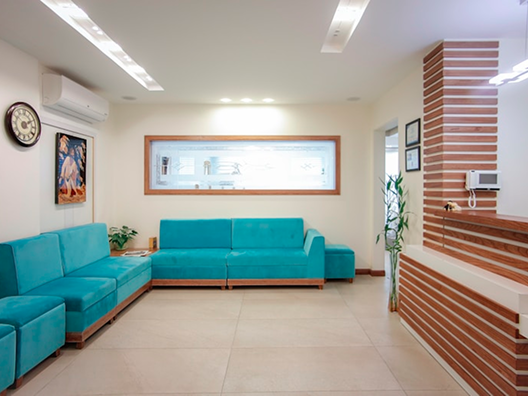
We Welcome You to Elevated Smiles Dentistry of Bel Air Maryland.
Schedule an AppointmentVisit us at our modern office in downtown Bel Air. We’re ready to help you achieve your best smile.
Monday: 8am – 4pm
Tuesday: 8am – 4pm
Wednesday: 7am – 3pm
Thursday: 7am – 3pm
Friday: By Appointment Only
Saturday: Closed
Sunday: Closed
Stay informed with the latest dental health insights and tips from our team.

A gummy smile is usually about proportion, not poor hygiene or brushing habits. This guide explains what causes excess gum display, how...

A nagging toothache is easy to brush off, but some symptoms are your body's way of asking for help. This guide covers...

A brighter smile is one of the most requested cosmetic treatments, yet many people wonder if whitening could harm their teeth. This...

Most people grew up believing they should see the dentist twice a year, but the honest answer is more personal than that....

A brighter smile feels great, but it rarely lasts forever. This guide explains how long teeth whitening results really hold, what makes...

A toothache rarely arrives at a convenient time. Whether it wakes you up at 2 a.m. or hits on a Sunday afternoon,...