
How to Fix a Gummy Smile: Cosmetic Treatment Options in Bel Air, MD
A gummy smile is usually about proportion, not poor hygiene or brushing habits. This guide explains what causes excess gum display, how...

Jaw pain, headaches that start near your temples, a jaw that clicks or pops, and difficulty opening your mouth wide are all signs that something is off with your temporomandibular joint. TMJ dysfunction, sometimes called TMD, is more common than most people realize. The good news is that the majority of cases respond well to conservative, non-surgical treatment. At Elevated Smiles Dentistry in Bel Air, MD, Dr. Joshua Englander helps patients find relief and get back to comfortable daily function.
Mild cases sometimes resolve with rest and stress reduction. However, if the underlying cause is structural, like a bite problem or chronic grinding, the symptoms will return or worsen without treatment. Getting an evaluation is the only way to know which category you fall into.
A night guard prevents grinding and reduces the load on the joint during sleep, which relieves symptoms for many patients significantly. It does not fix underlying joint damage that is already present, but it stops the forces that are making it worse.
Yes. The TMJ sits directly adjacent to the ear canal, which is why TMD often causes ear pain, a feeling of fullness in the ear, or even ringing. Many patients are evaluated for ear problems before the actual cause, the jaw joint, is identified.
Yes. Botox injected into the masseter muscles reduces the force of clenching significantly and provides relief for many patients who have not responded adequately to night guards alone. The effect lasts three to six months and can be repeated as needed.
The vast majority of TMD cases do not require surgery. Surgery is reserved for cases with significant structural damage to the joint that has not responded to all other conservative treatments. Dr. Englander will always recommend the least invasive option first.
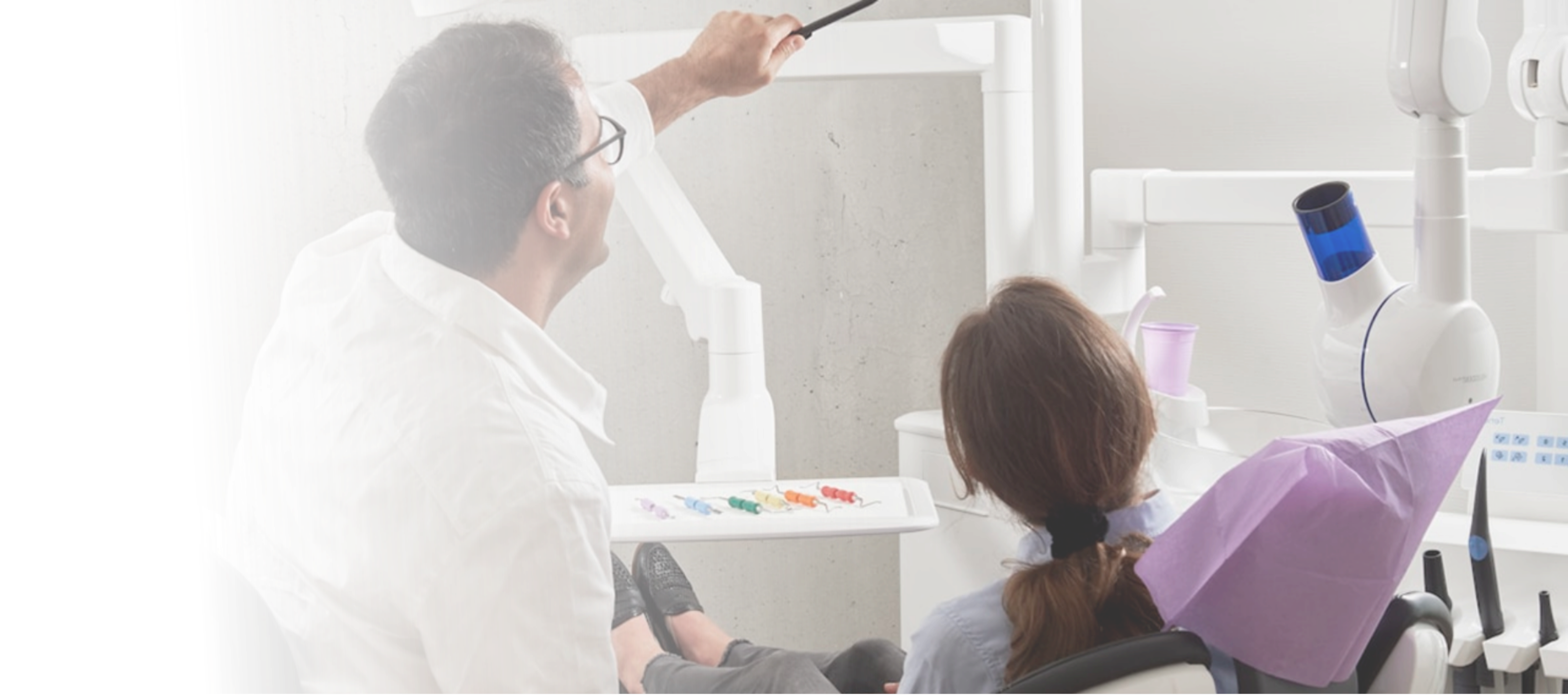
Lasting Relief
Non-surgical TMJ care
The temporomandibular joint is the hinge that connects your lower jaw to your skull, located just in front of each ear. It allows the complex opening, closing, and side-to-side movements of the jaw used for eating and speaking. TMD, or temporomandibular disorder, is the term used for pain and dysfunction affecting this joint and the muscles that control jaw movement. Common causes include jaw clenching and teeth grinding (bruxism), arthritis in the joint, a bite that is misaligned, trauma to the jaw, or prolonged stress that causes chronic muscle tension in the jaw and face.
Symptoms vary from person to person and range from mild to significant. The most common include pain or soreness in the jaw joint area, especially in the morning after sleeping, clicking or popping sounds when opening or closing the mouth, a jaw that occasionally locks open or closed, difficulty chewing or a feeling that the bite does not fit together correctly, facial pain, ear pain or fullness, frequent headaches particularly around the temples, and neck or shoulder tension. Not every symptom needs to be present for a TMD diagnosis, and the same symptom can have multiple causes, which is why a thorough evaluation is important.
Most cases of TMD can be managed without surgery. Dr. Englander starts with the most conservative approaches and only escalates treatment if needed. Common treatment options include custom night guards to prevent grinding and protect the joint during sleep, anti-inflammatory recommendations, jaw exercises to strengthen and relax the muscles, bite adjustments where the bite is contributing to the problem, Botox injections to reduce the force of jaw clenching when other approaches have not been fully effective, and referral to a specialist for more complex joint pathology if necessary.
If you have jaw pain, clicking, or headaches that have been present for more than a few days, it is worth having an evaluation. Many people live with TMD symptoms for years before seeking help, assuming the discomfort is just something they have to manage. In most cases relief is achievable. Early treatment also prevents habits like grinding from causing damage to your teeth, which adds a layer of restorative work on top of the joint problem. Do not wait until the joint is significantly damaged or the teeth are severely worn before coming in.

We Welcome You to Elevated Smiles Dentistry of Bel Air Maryland.
Schedule an AppointmentVisit us at our modern office in downtown Bel Air. We’re ready to help you achieve your best smile.
Monday: 8am – 4pm
Tuesday: 8am – 4pm
Wednesday: 7am – 3pm
Thursday: 7am – 3pm
Friday: By Appointment Only
Saturday: Closed
Sunday: Closed
Stay informed with the latest dental health insights and tips from our team.

A gummy smile is usually about proportion, not poor hygiene or brushing habits. This guide explains what causes excess gum display, how...

A nagging toothache is easy to brush off, but some symptoms are your body's way of asking for help. This guide covers...

A brighter smile is one of the most requested cosmetic treatments, yet many people wonder if whitening could harm their teeth. This...

Most people grew up believing they should see the dentist twice a year, but the honest answer is more personal than that....

A brighter smile feels great, but it rarely lasts forever. This guide explains how long teeth whitening results really hold, what makes...
A toothache rarely arrives at a convenient time. Whether it wakes you up at 2 a.m. or hits on a Sunday afternoon,...