How to Fix a Gummy Smile: Cosmetic Treatment Options in Bel Air, MD
A gummy smile is usually about proportion, not poor hygiene or brushing habits. This guide explains what causes excess gum display, how...
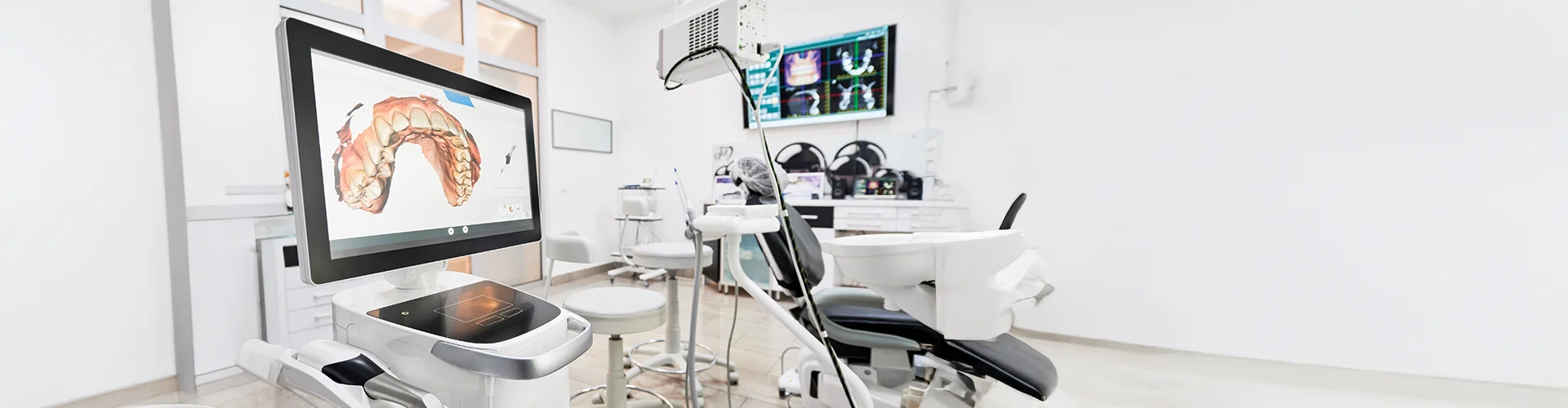
3D printing has moved from industrial manufacturing into clinical dentistry, and the impact on treatment precision is significant. At Elevated Smiles Dentistry in Bel Air, MD, our in-office 3D printing capability allows Dr. Joshua Englander to produce surgical guides, diagnostic models, and temporary restorations directly from digital scan data, cutting production time from days to hours and improving accuracy at every stage.

Modern Tech
Precise, efficient care
Dental 3D printing uses photopolymer resins and stereolithography or digital light processing technology to build objects layer by layer from a digital file. In our office, the most common applications are surgical implant guides, which are custom devices that fit over the teeth and precisely direct the implant drill to the planned angle, depth, and position during surgery, diagnostic models for patient education and treatment planning, custom trays for impressions, whitening, and fluoride delivery, and temporary crowns or bridges that protect prepared teeth while permanent restorations are being fabricated.
The most clinically significant use of 3D printing at Elevated Smiles is the production of guided surgical templates for dental implant placement. After cone beam CT imaging maps the bone volume and nerve anatomy, Dr. Englander designs a virtual implant plan on screen. A surgical guide is then printed that fits precisely over the patient’s teeth and directs the drill to exactly the planned location. Guided implant surgery reduces surgery time, improves implant position accuracy, minimizes trauma to surrounding structures, and produces more predictable aesthetic and functional outcomes than freehand placement.
Dental 3D printers use biocompatible photopolymer resins formulated specifically for intraoral use. These materials are certified safe for contact with oral tissues and comply with FDA clearance requirements. Different resin formulations are used for different applications: clear resins for surgical guides and trays, tooth-colored resins for temporary crowns, and high-detail resins for diagnostic models. The materials do not replace the ceramics and metals used in permanent restorations but are highly functional for the temporary and preparatory applications where they are used.
Dr. Englander uses guided surgery for cases where precision is critical, particularly for multiple implants, cases near important anatomical structures, and full arch rehabilitations. Single straightforward implants in areas with ample bone may not always require a printed guide.
Current dental 3D printing resins are approved for temporary use only. Permanent restorations are still made from ceramics and metals fabricated by CAD/CAM milling or dental labs. 3D-printed temporaries are excellent for protecting teeth during the fabrication process.
Most objects take between 30 minutes and a few hours to print depending on size and detail level. A surgical guide for a single implant is typically ready within one to two hours. Post-print processing and fitting adds additional time.
The cost of printed components like surgical guides is typically included in the procedure fee. We will provide a full cost breakdown at your treatment planning appointment before any work begins.
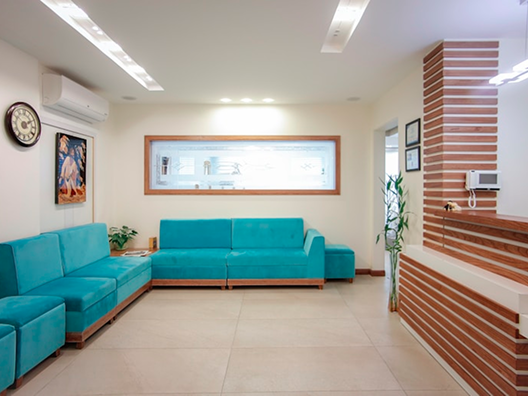
We Welcome You to Elevated Smiles Dentistry of Bel Air Maryland.
Schedule an AppointmentVisit us at our modern office in downtown Bel Air. We’re ready to help you achieve your best smile.
Monday: 8am – 4pm
Tuesday: 8am – 4pm
Wednesday: 7am – 3pm
Thursday: 7am – 3pm
Friday: By Appointment Only
Saturday: Closed
Sunday: Closed
Stay informed with the latest dental health insights and tips from our team.

A gummy smile is usually about proportion, not poor hygiene or brushing habits. This guide explains what causes excess gum display, how...

A nagging toothache is easy to brush off, but some symptoms are your body's way of asking for help. This guide covers...

A brighter smile is one of the most requested cosmetic treatments, yet many people wonder if whitening could harm their teeth. This...

Most people grew up believing they should see the dentist twice a year, but the honest answer is more personal than that....
A brighter smile feels great, but it rarely lasts forever. This guide explains how long teeth whitening results really hold, what makes...

A toothache rarely arrives at a convenient time. Whether it wakes you up at 2 a.m. or hits on a Sunday afternoon,...