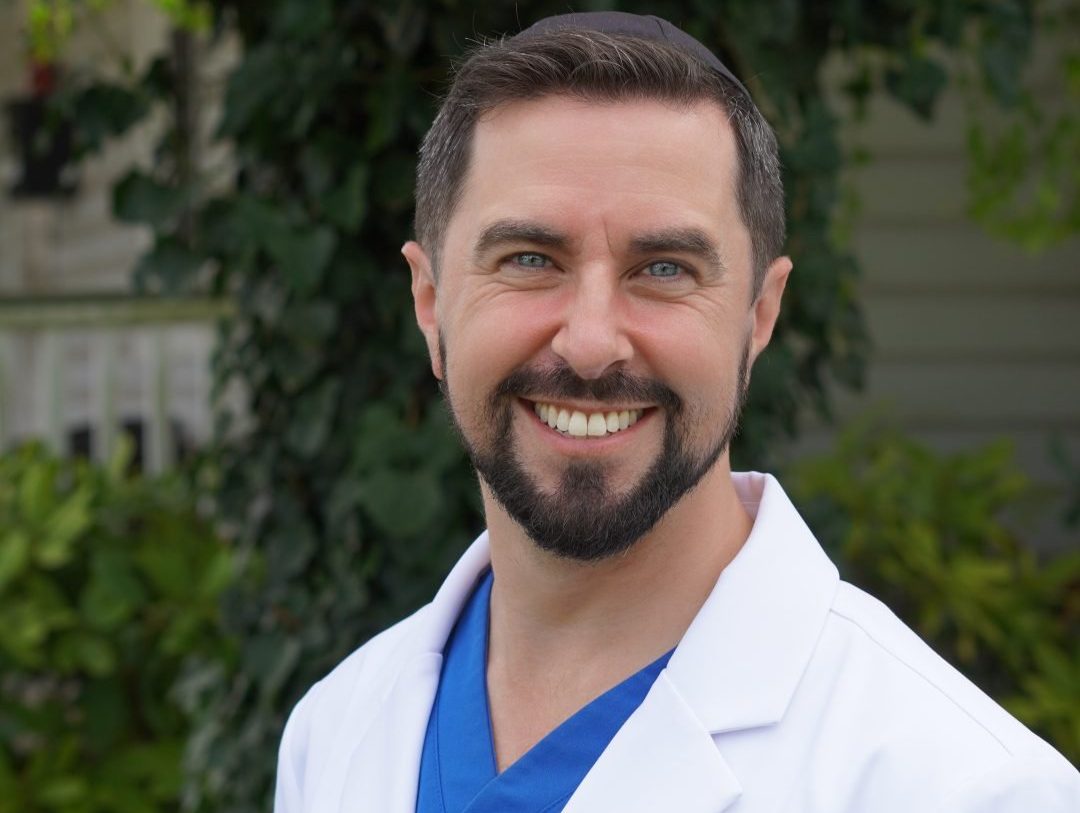
How to Fix a Gummy Smile: Cosmetic Treatment Options in Bel Air, MD
A gummy smile is usually about proportion, not poor hygiene or brushing habits. This guide explains what causes excess gum display, how...

One of the most common reasons people are told they cannot have dental implants is a lack of sufficient jawbone density. Bone grafting changes that. At Elevated Smiles Dentistry in Bel Air, MD, Dr. Joshua Englander uses bone grafting to rebuild the jaw so implants can be placed successfully, all handled right here in our office.
The procedure is done under local anesthesia so you feel no pain during it. Afterward, mild soreness and some swelling are normal for three to five days. Most patients manage comfortably with over-the-counter pain relief.
Grafting success rates are very high, but in rare cases a graft may not fully integrate. If that happens, Dr. Englander will evaluate the situation and discuss whether a second graft or an alternative tooth replacement option is more appropriate.
No. Many patients have adequate bone and can proceed directly to implant placement. Dr. Englander uses cone beam 3D imaging to evaluate bone volume before recommending any grafting procedure.
The incision is made inside the mouth where gum tissue heals with no visible external scarring. If bone is taken from your own jaw, that donor site also heals internally with minimal discomfort.
Yes. Socket preservation grafting, placed at the time of extraction, prevents bone loss from occurring in the first place. This is often the most efficient approach for patients planning to get implants in the future.

Trusted Care
Long-lasting implant results
When a tooth is lost or extracted, the jawbone beneath it begins to shrink because it no longer receives the stimulation of a tooth root. Over time this bone loss can make the jaw too thin or shallow to support a dental implant post. Bone grafting adds new bone material to the deficient area, encouraging the body to grow new bone and restore the density and volume needed for successful implant placement. Without adequate bone, an implant would have nothing stable to anchor into.
The most common options are autografts, allografts, and synthetic bone substitutes. An autograft uses bone taken from another area of your own body, typically the chin or another area of the jaw. An allograft uses processed donor bone from a bone bank, which is sterile and safe. Synthetic materials can also effectively stimulate bone growth without the need for a second surgical site. Dr. Englander will recommend the best option based on how much bone is needed, your health history, and the specifics of your implant plan.
The procedure is performed under local anesthesia, and sedation is available for patients who prefer it. Dr. Englander makes a small incision in the gum tissue to access the jawbone, places the graft material in the area where bone is needed, and closes the site with sutures. Over the following months, your body gradually incorporates the graft and builds new bone. Once the area has healed and sufficient density has been achieved, Dr. Englander will schedule the implant placement appointment.
Healing time varies depending on the size and location of the graft and your individual healing rate. Minor grafts may integrate in three to four months. Larger grafts, including sinus lifts or significant ridge augmentation, can take six to nine months. During this time Dr. Englander will monitor your healing with follow-up visits and imaging. There is no benefit to rushing this stage. A well-healed graft is what sets your implant up for long-term success.
Coverage varies by plan. Some dental insurance plans cover bone grafting as part of implant preparation, particularly when it is deemed medically necessary. Others treat it as a separate procedure with different coverage levels. Our team will check your benefits carefully and give you a full breakdown of expected costs before scheduling. Flexible financing options are available if out-of-pocket costs are a concern.
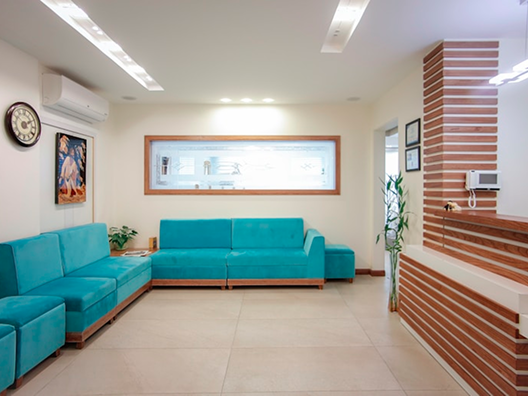
We Welcome You to Elevated Smiles Dentistry of Bel Air Maryland.
Schedule an AppointmentVisit us at our modern office in downtown Bel Air. We’re ready to help you achieve your best smile.
Monday: 8am – 4pm
Tuesday: 8am – 4pm
Wednesday: 7am – 3pm
Thursday: 7am – 3pm
Friday: By Appointment Only
Saturday: Closed
Sunday: Closed
Stay informed with the latest dental health insights and tips from our team.

A gummy smile is usually about proportion, not poor hygiene or brushing habits. This guide explains what causes excess gum display, how...

A nagging toothache is easy to brush off, but some symptoms are your body's way of asking for help. This guide covers...

A brighter smile is one of the most requested cosmetic treatments, yet many people wonder if whitening could harm their teeth. This...

Most people grew up believing they should see the dentist twice a year, but the honest answer is more personal than that....
A brighter smile feels great, but it rarely lasts forever. This guide explains how long teeth whitening results really hold, what makes...

A toothache rarely arrives at a convenient time. Whether it wakes you up at 2 a.m. or hits on a Sunday afternoon,...