
Dental Implants vs. Dentures: Which Is the Better Long-Term Choice?
Missing teeth can affect more than your smile; they can impact your confidence, speech, eating habits, and long-term oral health. This guide...

One of the most common reasons people are told they cannot have dental implants is a lack of sufficient jawbone density. Bone grafting changes that. At Elevated Smiles Dentistry in Bel Air, MD, Dr. Joshua Englander uses bone grafting to rebuild the jaw so implants can be placed successfully, all handled right here in our office.

Trusted Care
Long-lasting implant results
When a tooth is lost or extracted, the jawbone beneath it begins to shrink because it no longer receives the stimulation of a tooth root. Over time this bone loss can make the jaw too thin or shallow to support a dental implant post. Bone grafting adds new bone material to the deficient area, encouraging the body to grow new bone and restore the density and volume needed for successful implant placement. Without adequate bone, an implant would have nothing stable to anchor into.
The most common options are autografts, allografts, and synthetic bone substitutes. An autograft uses bone taken from another area of your own body, typically the chin or another area of the jaw. An allograft uses processed donor bone from a bone bank, which is sterile and safe. Synthetic materials can also effectively stimulate bone growth without the need for a second surgical site. Dr. Englander will recommend the best option based on how much bone is needed, your health history, and the specifics of your implant plan.
The procedure is performed under local anesthesia, and sedation is available for patients who prefer it. Dr. Englander makes a small incision in the gum tissue to access the jawbone, places the graft material in the area where bone is needed, and closes the site with sutures. Over the following months, your body gradually incorporates the graft and builds new bone. Once the area has healed and sufficient density has been achieved, Dr. Englander will schedule the implant placement appointment.
Healing time varies depending on the size and location of the graft and your individual healing rate. Minor grafts may integrate in three to four months. Larger grafts, including sinus lifts or significant ridge augmentation, can take six to nine months. During this time Dr. Englander will monitor your healing with follow-up visits and imaging. There is no benefit to rushing this stage. A well-healed graft is what sets your implant up for long-term success.
Coverage varies by plan. Some dental insurance plans cover bone grafting as part of implant preparation, particularly when it is deemed medically necessary. Others treat it as a separate procedure with different coverage levels. Our team will check your benefits carefully and give you a full breakdown of expected costs before scheduling. Flexible financing options are available if out-of-pocket costs are a concern.

We Welcome You to Elevated Smiles Dentistry of Bel Air Maryland.
Schedule an AppointmentVisit us at our modern office in downtown Bel Air. We’re ready to help you achieve your best smile.
Monday: 8am – 4pm
Tuesday: 8am – 4pm
Wednesday: 7am – 3pm
Thursday: 7am – 3pm
Friday: By Appointment Only
Saturday: Closed
Sunday: Closed
Stay informed with the latest dental health insights and tips from our team.
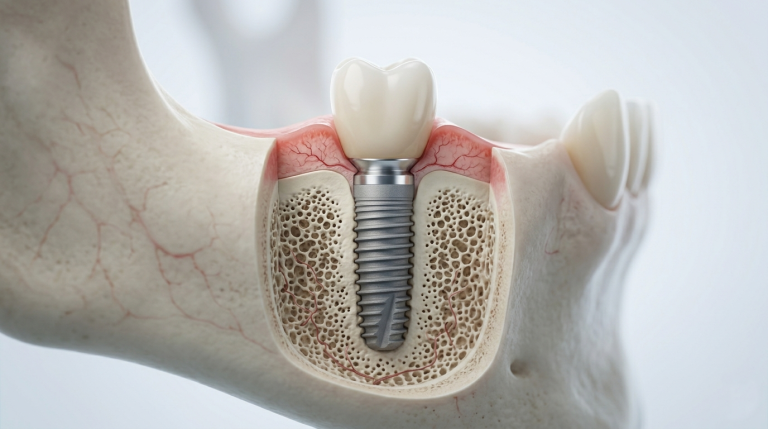
Missing teeth can affect more than your smile; they can impact your confidence, speech, eating habits, and long-term oral health. This guide...
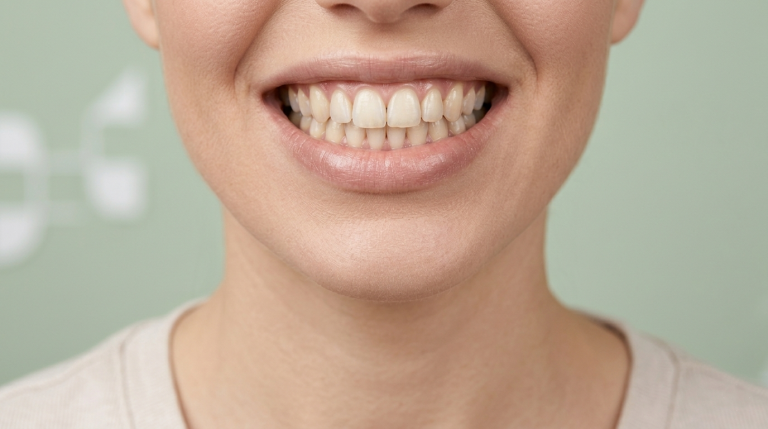
Veneers vs. crowns — learn the differences in coverage, durability, and cost so you can choose the right restoration for your smile...

Wondering if Invisalign can fix your overbite? Learn how clear aligners correct mild to moderate overbites and when traditional braces or surgery...

Veneers can dramatically improve the appearance of your smile, but many patients wonder how long they actually last. This guide explains veneer...
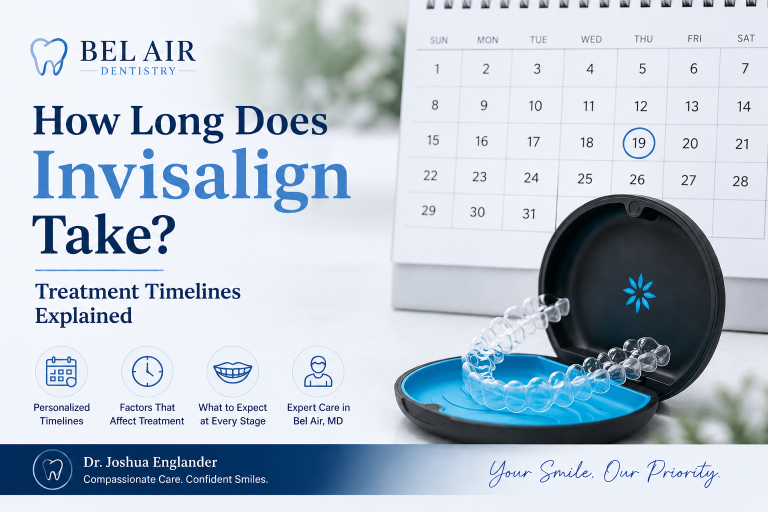
Learn how long Invisalign takes for adults and teens, what affects treatment time, and what to expect during your smile journey in...
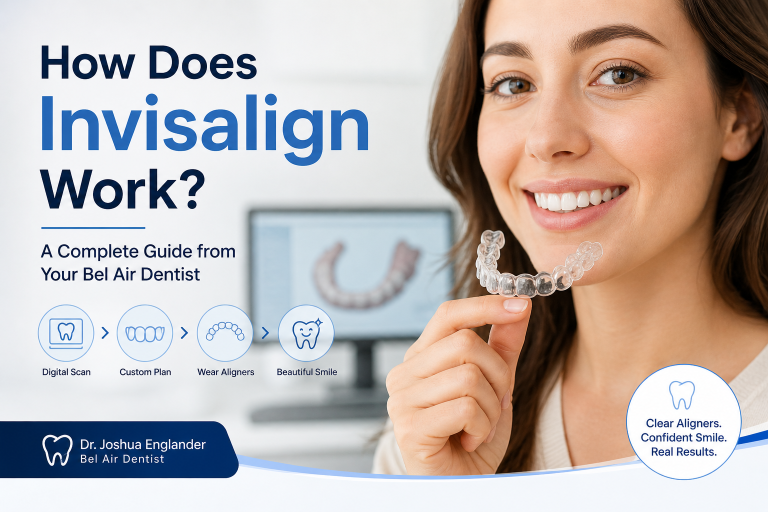
Learn how Invisalign works, what to expect with pain, and treatment steps from a Bel Air dentist. Simple, clear answers to help...