Dentistry
Urgent Dental Care in Bel Air, MD: How to Get Seen Fast When It Matters


Dental emergencies often happen without warning and can quickly disrupt your day, your comfort, and your peace of mind. Whether you're dealing with severe tooth pain, a cracked tooth, swelling, or a damaged restoration, understanding when to seek urgent dental care and how to get treatment quickly can help protect your oral health and prevent more serious complications.
What Is Considered Urgent Dental Care?
Many patients wonder whether their situation is truly an emergency or if it can wait until a routine appointment.
In general, urgent dental care refers to any dental issue that requires prompt professional attention to relieve pain, stop infection, save a tooth, or prevent further damage.
Common situations that often require urgent care include:
- Severe toothaches
- Broken or cracked teeth
- Dental abscesses
- Facial swelling
- Knocked-out teeth
- Lost crowns or fillings causing pain
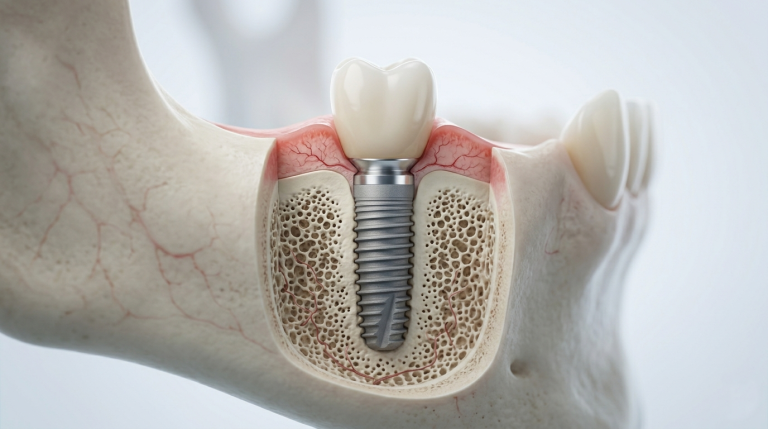
- Dental implant complications
- Bleeding that doesn’t stop
If you’re unsure whether your condition qualifies as urgent, it’s usually best to contact a dental professional rather than waiting for symptoms to worsen.
Seeking urgent dental care in Bel Air MD patients can trust may prevent a minor issue from becoming a major dental problem.
Why Should You Never Ignore Dental Pain?
Pain is your body’s warning system.
When a tooth hurts, it’s often a sign that something deeper is happening beneath the surface.
Common causes of dental pain include:
- Tooth decay
- Infections
- Cracked teeth
- Gum disease
- Damaged restorations
- Exposed tooth roots
Many patients searching for tooth pain Bel Air MD solutions initially hope the discomfort will go away on its own.
Unfortunately, dental pain rarely resolves without addressing the underlying cause.
For example, a cavity may start as mild sensitivity but eventually develop into an infection requiring more extensive treatment.
The earlier the issue is diagnosed, the more treatment options are often available.
What Are the Most Common Dental Emergencies?
Severe Toothaches
Persistent tooth pain is one of the most frequent reasons patients seek emergency dental care.
Symptoms may include:
- Throbbing pain
- Sharp pain when chewing
- Sensitivity to temperature
- Swelling around a tooth
Many people seek toothache relief in Bel Air MD treatment after discovering that over-the-counter remedies provide only temporary relief.
While pain medication may reduce discomfort, it does not eliminate the underlying problem.
Cracked or Broken Teeth
A cracked tooth in Bel Air MD patients experience may result from:
- Sports injuries
- Falls
- Biting hard foods
- Teeth grinding
Even small cracks should be evaluated promptly.
Tiny fractures can allow bacteria to enter the tooth, potentially leading to infection or additional structural damage.
Common warning signs include:
- Pain when biting
- Sensitivity
- Visible damage
- Intermittent discomfort
Prompt treatment often improves the chances of preserving the tooth.
Dental Abscesses
An abscess is a bacterial infection that develops around a tooth or gum tissue.
Symptoms often include:
- Severe pain
- Swelling
- Fever
- Bad taste in the mouth
- Swollen lymph nodes
Abscesses should never be ignored.
According to the American Dental Association, untreated dental infections can spread and may become serious health concerns.
If swelling accompanies dental pain, immediate evaluation is strongly recommended.
Knocked-Out Teeth
When a permanent tooth is knocked out, time becomes extremely important.
In some cases, the tooth can be successfully saved if treatment occurs quickly.
If this happens:
- Hold the tooth by the crown
- Avoid touching the root
- Rinse gently if dirty
- Keep the tooth moist
- Contact a dentist immediately
Fast action significantly increases the likelihood of successful reattachment.
How Can You Get Dental Pain Relief Before Your Appointment?
While professional treatment remains essential, there are several temporary measures that may provide dental pain relief Bel Air MD patients can use while waiting to be seen.
Helpful steps may include:
- Rinsing with warm salt water
- Applying a cold compress externally
- Taking over-the-counter pain relievers as directed
- Avoiding extremely hot or cold foods
- Keeping the affected area clean
It’s important to remember that these measures only manage symptoms temporarily.
The source of the problem still requires professional diagnosis and treatment.
When Should You Call a Dentist Immediately?
Certain symptoms should never be ignored.
Contact a dental professional right away if you experience:
- Significant swelling
- Severe tooth pain
- Trauma to the mouth
- A loose permanent tooth
- Signs of infection
- Difficulty swallowing
- Persistent bleeding
Many emergencies become more difficult to treat when care is delayed.
If you’re uncertain, making a phone call can help determine the next best step.
Patients experiencing urgent concerns often benefit from learning about available emergency dental treatment options before a crisis occurs.
What Happens During an Emergency Dental Visit?
One reason people delay treatment is uncertainty about what to expect.
Emergency dental visits are designed to identify the problem quickly and provide relief as efficiently as possible.
Comprehensive Evaluation
The first step usually involves:
- Reviewing symptoms
- Examining the affected area
- Taking digital images if necessary
This helps determine the source of the problem accurately.
Immediate Stabilization
Depending on the situation, treatment may focus on:
- Managing pain
- Treating infection
- Stabilizing damaged teeth
- Protecting vulnerable structures
In many cases, immediate relief becomes the primary goal during the first visit.
Creating a Treatment Plan
Once the issue has been identified, your dentist will discuss:
- Available treatment options
- Expected recovery timelines
- Long-term recommendations
At Elevated Smiles, patient education is an important part of helping individuals feel informed and comfortable during stressful situations.
Can Same-Day Dentistry Help During a Dental Emergency?
In many cases, yes.
Advancements in dental technology have made it possible to complete certain treatments more efficiently than ever before.
Patients facing urgent situations may benefit from available same-day dental solutions that reduce treatment delays.
Depending on the problem, same-day care may allow for:
- Immediate diagnosis
- Faster pain relief
- Temporary or permanent restorations
- Reduced need for multiple appointments
For patients dealing with sudden discomfort, time matters.
The ability to receive treatment quickly can significantly improve the overall experience.
What If a Crown, Filling, or Dental Implant Is Damaged?
Not every emergency involves a natural tooth.
Restorations can also experience unexpected problems.
Common issues include:
- Lost crowns
- Broken fillings
- Loose implant restorations
- Damaged implant-supported teeth
These situations may not always cause severe pain immediately, but delaying care can lead to further complications.
Patients with implant concerns often benefit from prompt evaluation and specialized implant restoration and repair services.
Addressing restoration issues early can help preserve both function and appearance.
Can Children Experience Dental Emergencies Too?
Absolutely.
Children commonly experience dental injuries during:
- Sports activities
- Playground accidents
- Falls
- Recreational activities
Parents should seek prompt evaluation if a child experiences:
- Broken teeth
- Significant oral bleeding
- Swelling
- Severe pain
- Trauma affecting permanent teeth
Even baby teeth sometimes require emergency attention depending on the injury.
How Can You Prevent Future Dental Emergencies?
While some emergencies are unavoidable, many can be prevented through proactive oral care.
Helpful prevention strategies include:
Maintain Routine Dental Visits
Regular exams allow dentists to identify small concerns before they become urgent problems.
Wear Protective Mouthguards
Athletes participating in contact sports should wear appropriate mouth protection.
Avoid Using Teeth as Tools
Opening packages or biting hard objects can increase the risk of fractures.
Address Small Problems Early
Ignoring minor discomfort often leads to larger issues later.
Patients who prioritize preventive care often experience fewer unexpected emergencies.
Learning about available preventive and restorative dental services can help support long-term oral health and reduce emergency risks.
What Does a Real-Life Dental Emergency Look Like?
Imagine this situation:
A patient notices mild sensitivity while drinking cold water. Over the next several days, the discomfort becomes more noticeable.
By the weekend:
- Chewing becomes painful
- Swelling develops near the tooth
- Sleep becomes difficult
At this point, what began as a manageable issue has become a true dental emergency.
Had the problem been addressed earlier, treatment may have been simpler and more comfortable.
This example highlights why prompt evaluation is so important whenever symptoms begin to worsen.
Why Is Fast Treatment Important for Long-Term Oral Health?
Dental emergencies affect more than immediate comfort.
Prompt care may help:
- Save natural teeth
- Prevent infection spread
- Reduce treatment complexity
- Preserve jawbone health
- Lower long-term treatment costs
The sooner a problem is identified, the more opportunities there are to protect your smile.
This is especially true for infections, cracked teeth, and trauma-related injuries.
Waiting rarely improves the outcome.
What Makes Compassionate Emergency Care So Important?
Dental emergencies often come with stress, anxiety, and uncertainty.
Many patients worry about:
- Pain
- Treatment costs
- Losing a tooth
- Unexpected procedures
At Elevated Smiles, compassionate care means taking time to explain options, answer questions, and help patients feel supported throughout the process.
A dental emergency is stressful enough without feeling rushed or overwhelmed.
Clear communication and personalized attention can make a meaningful difference during difficult situations.
Ready to Find Relief When You Need It Most?
Dental emergencies rarely happen when it’s convenient, but getting prompt care can make all the difference. Whether you’re experiencing severe tooth pain, swelling, a cracked tooth, a damaged restoration, or another urgent concern, taking action quickly can help protect your smile and prevent more serious complications.
At Elevated Smiles, Dr. Joshua Englander and our caring team understand that urgent dental situations can be overwhelming. Our goal is to provide timely care, clear guidance, and personalized treatment so you can feel confident about your next steps.
If you’re facing a dental emergency or simply aren’t sure whether your symptoms require immediate attention, reach out through our contact page to connect with a team committed to helping you find relief as quickly as possible.
Ready to Improve Your Smile?
Schedule an appointment with our experienced team today.