
How to Fix a Gummy Smile: Cosmetic Treatment Options in Bel Air, MD
A gummy smile is usually about proportion, not poor hygiene or brushing habits. This guide explains what causes excess gum display, how...

A dental implant is a long-term investment. Most implants last 20 or more years and many last a lifetime, but that outcome depends on how well the healing period is managed and how consistently the implant is maintained afterward. At Elevated Smiles Dentistry in Bel Air, MD, Dr. Joshua Englander provides detailed post-surgical instructions and long-term maintenance guidance so your implant has the best possible chance of lasting as long as you do.

Trusted Care
Long-lasting implant results
Some swelling, mild bleeding, and discomfort are normal in the first one to two days. Apply an ice pack to the cheek for 20 minutes on and 20 minutes off during the first 24 hours to reduce swelling. Bite gently on gauze if bleeding occurs. Take any prescribed medication as directed. Rest and avoid strenuous activity for at least the first day. Sleep with your head slightly elevated to reduce swelling overnight. Do not rinse your mouth forcefully, spit, or use a straw for the first 24 hours, as these actions can dislodge the blood clot forming at the surgical site.
Stick to soft foods for the first one to two weeks after surgery. Good options include yogurt, eggs, mashed potatoes, smoothies, soup, fish, and soft cooked vegetables. Avoid crunchy, chewy, or hard foods that could disturb the surgical site. Do not eat on the side where the implant was placed until Dr. Englander clears you to do so. Avoid alcohol and tobacco entirely during the healing period. Both significantly impair the healing process and tobacco use in particular is the single largest risk factor for implant failure.
Starting the day after surgery, gently rinse with warm salt water or the prescribed chlorhexidine rinse two to three times per day. Brush your other teeth normally but avoid brushing the implant site directly until advised. When Dr. Englander clears you to resume brushing the area, use a soft-bristled brush and gentle circular motions. The healing abutment, if visible above the gumline, should be kept clean but handled with a light touch. Follow-up appointments allow Dr. Englander to monitor the healing tissue and the integration process over the following weeks.
Once the implant is fully integrated and the final restoration is in place, care is straightforward. Brush twice daily with a soft-bristled toothbrush, floss daily using implant-specific floss or a water flosser to clean around the abutment, and use a low-abrasive toothpaste. Avoid smoking, which compromises the gum and bone tissue around implants over time. Come in for regular checkups every six months so Dr. Englander can examine the implant, probe the surrounding gum tissue for signs of peri-implantitis, take periodic X-rays to monitor bone levels, and check the crown or prosthesis for wear.
Most implants reach full osseointegration in three to six months. The timeline depends on the bone quality at the site, whether a bone graft was placed, and individual healing factors. Dr. Englander confirms integration with imaging before the final restoration is attached.
Mild awareness of the implant site is normal, especially in the first few weeks. You should not feel sharp pain, increasing pressure, or significant movement. Contact us immediately if you notice any of those symptoms.
Yes. Late implant failure is less common than early failure but can occur due to peri-implantitis (infection around the implant), poorly controlled diabetes, or trauma. Regular maintenance appointments catch early warning signs before they become failures.
Peri-implantitis is an inflammatory condition affecting the bone and gum tissue around an implant, caused by bacterial accumulation. It is prevented by thorough daily cleaning of the implant site, regular professional cleanings, and avoiding tobacco.
A regular soft-bristled manual or electric toothbrush works well for implants. The key is technique, not a special tool. An electric toothbrush with a small round head is often particularly effective for cleaning around the implant crown.
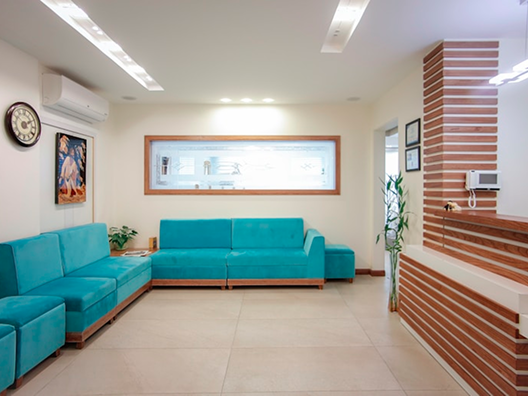
We Welcome You to Elevated Smiles Dentistry of Bel Air Maryland.
Schedule an AppointmentVisit us at our modern office in downtown Bel Air. We’re ready to help you achieve your best smile.
Monday: 8am – 4pm
Tuesday: 8am – 4pm
Wednesday: 7am – 3pm
Thursday: 7am – 3pm
Friday: By Appointment Only
Saturday: Closed
Sunday: Closed
Stay informed with the latest dental health insights and tips from our team.

A gummy smile is usually about proportion, not poor hygiene or brushing habits. This guide explains what causes excess gum display, how...

A nagging toothache is easy to brush off, but some symptoms are your body's way of asking for help. This guide covers...

A brighter smile is one of the most requested cosmetic treatments, yet many people wonder if whitening could harm their teeth. This...

Most people grew up believing they should see the dentist twice a year, but the honest answer is more personal than that....
A brighter smile feels great, but it rarely lasts forever. This guide explains how long teeth whitening results really hold, what makes...

A toothache rarely arrives at a convenient time. Whether it wakes you up at 2 a.m. or hits on a Sunday afternoon,...