How to Fix a Gummy Smile: Cosmetic Treatment Options in Bel Air, MD
A gummy smile is usually about proportion, not poor hygiene or brushing habits. This guide explains what causes excess gum display, how...

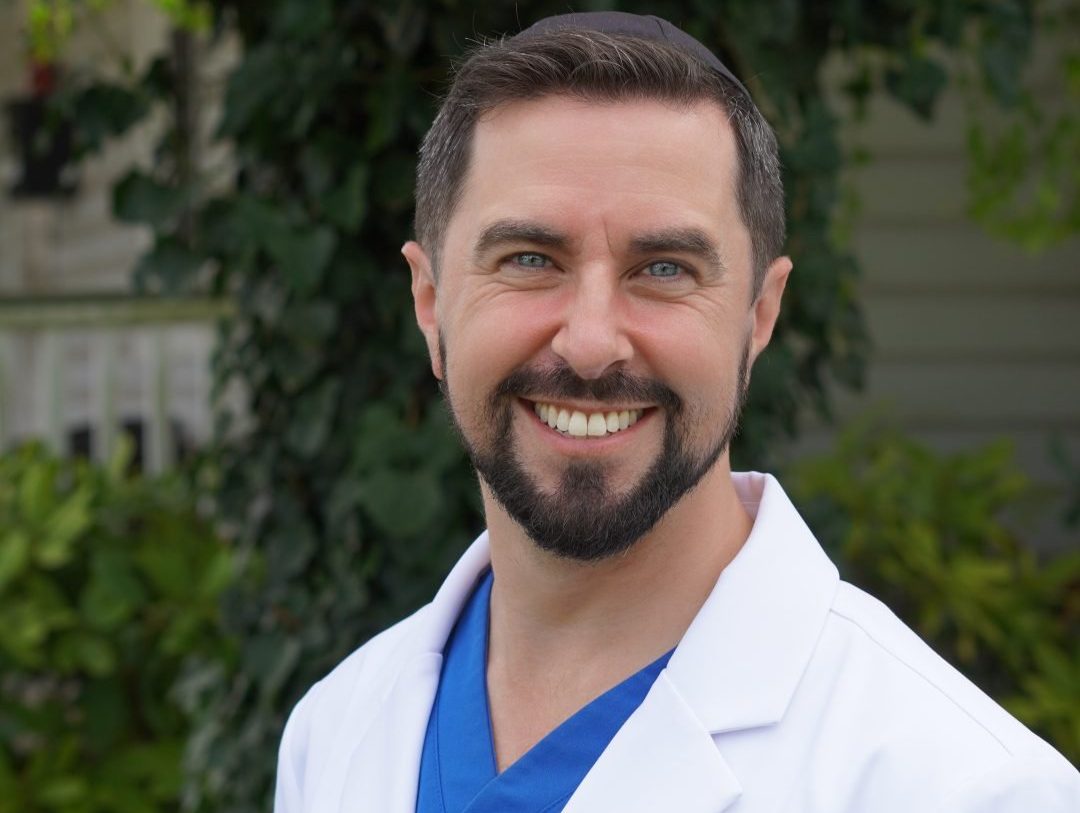
Full arch dentistry uses a small number of strategically placed dental implants to support a complete fixed arch of replacement teeth. Instead of placing an individual implant for every missing tooth, which is expensive and often impossible where bone has been lost, four to six implants anchor a full arch prosthesis that is permanently secured and functions like natural teeth. At Elevated Smiles Dentistry in Bel Air, MD, Dr. Joshua Englander performs full arch implant procedures in-house from surgical placement to final restoration.

Trusted Care
Long-lasting implant results
Full arch implant dentistry, often referred to by the commercial name All-on-4 or All-on-X depending on the number of implants used, is a surgical and restorative approach to replacing all teeth in one arch using a minimal number of implant posts. The implants are placed at specific angles that maximize contact with available bone, allowing placement even in areas where bone volume has diminished. A fixed prosthetic arch is then attached to the implants, giving the patient a complete, non-removable set of teeth that are brushed and cared for in place.
Traditional removable dentures rest on the gum surface and require adhesive to stay in place. They shift during eating and speaking, limit food choices, and accelerate bone resorption beneath them because they provide no root stimulation to the jaw. Full arch implants are fixed in place and do not come out. They stimulate the jawbone through the implant posts, dramatically slowing the bone loss that inevitably accompanies tooth loss. Chewing strength approaches that of natural teeth. There is no adhesive, no movement, and no food restriction associated with full arch implant prostheses.
Most healthy adults who are missing all or most of their teeth in an arch are candidates for full arch implant treatment. The procedure was designed specifically to work in patients with some degree of bone loss, so even patients who have been told they do not have enough bone for traditional implants are often candidates. Dr. Englander uses cone beam 3D imaging to evaluate the available bone in detail before making any recommendation. Medical conditions that impair healing, uncontrolled diabetes, and active periodontal disease in the remaining teeth may need to be addressed before treatment proceeds.
The process begins with a comprehensive consultation and 3D cone beam scan. Dr. Englander plans the implant positions virtually based on the scan data and fabricates a surgical guide using in-office 3D printing. On surgery day, the implants are placed under local anesthesia with sedation available, and a temporary prosthetic arch is often attached the same day. After a healing period of three to six months while the implants integrate with the bone, the final permanent prosthetic arch is designed, fabricated, and secured. The ability to perform placement and restoration in-house streamlines the process considerably.
Most patients complete the process in six to nine months from initial consultation to final arch delivery. Much of this time is the healing period during which implants integrate with bone. Actual surgery and appointment time is a small fraction of the overall timeline.
Full arch treatment is a significant investment, typically starting at $20,000 to $30,000 per arch depending on the case complexity. We provide a detailed, itemized treatment plan with costs before any commitment is made, and financing options are available.
Yes. Once the final prosthesis is placed, most patients can eat a wide range of foods including things that are difficult or impossible with dentures. Very hard foods like ice or hard nuts should still be avoided to protect the prosthetic teeth.
Implant failure is uncommon, affecting less than five percent of cases in healthy patients. If a failed implant cannot be replaced at the same site, the prosthesis design may be adjusted to use the remaining stable implants. Dr. Englander will discuss the contingency plan at your treatment planning appointment.
Surgery is performed under local anesthesia and sedation is available. Post-surgical discomfort is typically managed with prescribed pain medication for the first few days. Most patients are surprised by how manageable recovery is.
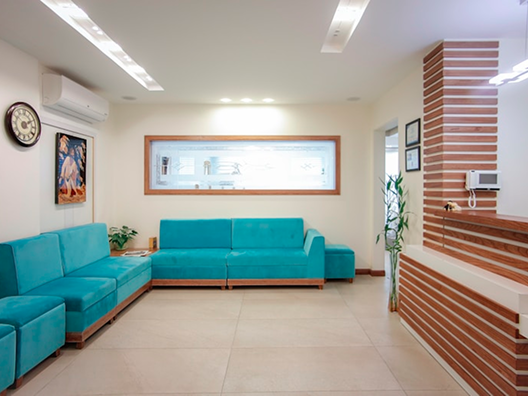
We Welcome You to Elevated Smiles Dentistry of Bel Air Maryland.
Schedule an AppointmentVisit us at our modern office in downtown Bel Air. We’re ready to help you achieve your best smile.
Monday: 8am – 4pm
Tuesday: 8am – 4pm
Wednesday: 7am – 3pm
Thursday: 7am – 3pm
Friday: By Appointment Only
Saturday: Closed
Sunday: Closed
Stay informed with the latest dental health insights and tips from our team.

A gummy smile is usually about proportion, not poor hygiene or brushing habits. This guide explains what causes excess gum display, how...

A nagging toothache is easy to brush off, but some symptoms are your body's way of asking for help. This guide covers...

A brighter smile is one of the most requested cosmetic treatments, yet many people wonder if whitening could harm their teeth. This...

Most people grew up believing they should see the dentist twice a year, but the honest answer is more personal than that....
A brighter smile feels great, but it rarely lasts forever. This guide explains how long teeth whitening results really hold, what makes...
A toothache rarely arrives at a convenient time. Whether it wakes you up at 2 a.m. or hits on a Sunday afternoon,...