How to Fix a Gummy Smile: Cosmetic Treatment Options in Bel Air, MD
A gummy smile is usually about proportion, not poor hygiene or brushing habits. This guide explains what causes excess gum display, how...

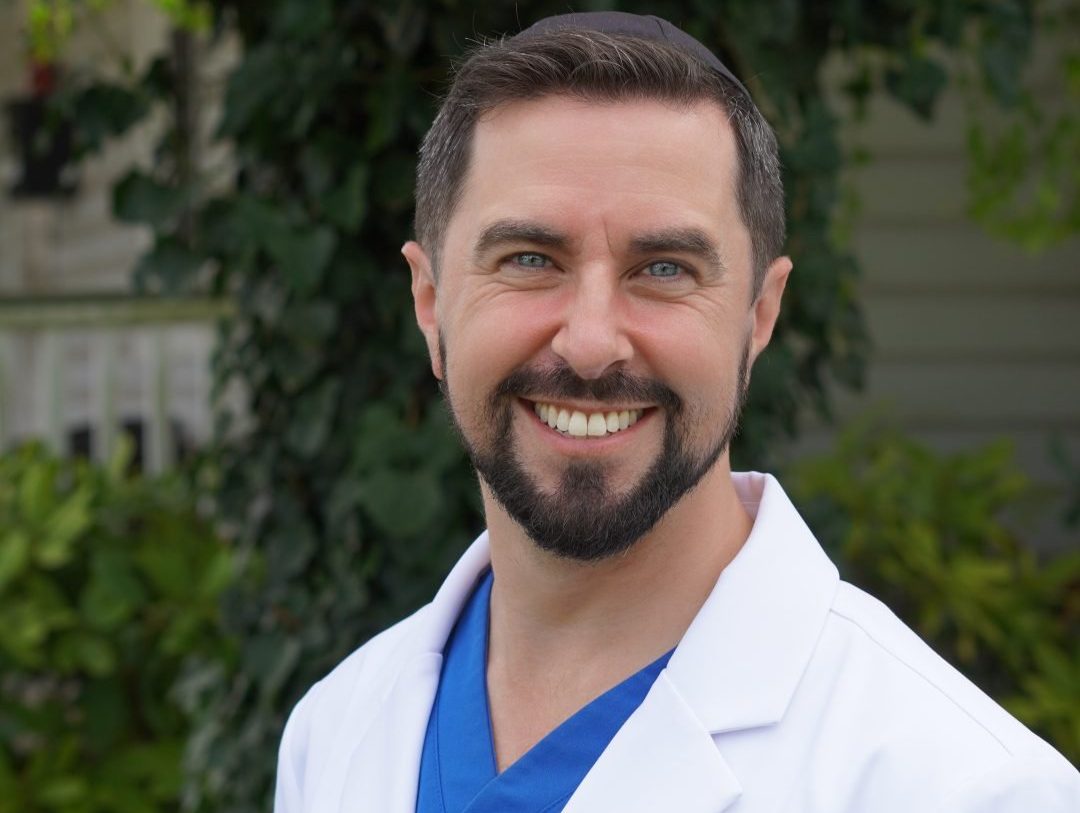
Oral pathology is the study and evaluation of diseases affecting the mouth, jaws, and surrounding structures. When an unusual lump, sore, discoloration, or tissue change is found during an examination, Dr. Joshua Englander at Elevated Smiles Dentistry in Bel Air, MD evaluates it thoroughly to determine whether further investigation, monitoring, or biopsy is needed.

Expert Care
Modern surgical techniques
Oral pathology covers a range of conditions including benign lesions such as mucoceles, fibromas, and cysts that are common and non-threatening but may need removal if they cause discomfort or continue to grow. It also addresses pre-cancerous tissue changes including leukoplakia and erythroplakia, which appear as white or red patches and carry a risk of progression if not monitored or treated. Oral cancer is the most serious condition evaluated through oral pathology, and early detection through biopsy is the only definitive way to confirm or rule it out. Inflammatory conditions, infections, and autoimmune conditions affecting the oral mucosa are also addressed through pathologic evaluation.
Dr. Englander recommends a biopsy when an unusual tissue finding does not resolve within two weeks of the initial observation, when a lesion has characteristics that suggest a higher risk of pathology such as irregular borders, mixed color, firm texture, or rapid growth, or when a patient has risk factors such as tobacco use, heavy alcohol consumption, or a history of head and neck cancer that increase the significance of any new tissue change. A biopsy removes a small tissue sample that is sent to an oral pathology laboratory for microscopic analysis. The result confirms the diagnosis and guides any next steps.
The appropriate next steps depend entirely on the pathology result. Benign findings may simply need monitoring at regular intervals or removal if symptomatic. Pre-cancerous changes require close follow-up and in some cases removal of the affected tissue. Malignant findings result in a referral to an oncology specialist for treatment planning. Dr. Englander coordinates care with specialists as needed and remains involved in your dental care throughout any broader treatment process. Finding something on pathology evaluation does not automatically mean serious disease, but it does mean the question is answered with certainty rather than left open.
The tissue sample is taken under local anesthesia so there is no pain during the procedure. Mild soreness at the biopsy site for a few days afterward is normal and easily managed with over-the-counter pain relief.
Results from the pathology laboratory typically take seven to ten business days. Dr. Englander contacts you as soon as the report is received to discuss the findings and any recommended next steps.
Oral cancer screening is a preventive visual exam performed at every checkup to identify anything that looks abnormal. Oral pathology evaluation is what happens next when something abnormal is found. The screening identifies a concern; the pathology evaluation, and biopsy if needed, provides a definitive answer about what it is.
For low-risk findings, watchful waiting with a two-week follow-up appointment is sometimes appropriate. If the area has not resolved at the follow-up or has characteristics of concern, Dr. Englander will recommend a biopsy. Delaying a biopsy on a suspicious lesion is not advisable when risk factors are present.

We Welcome You to Elevated Smiles Dentistry of Bel Air Maryland.
Schedule an AppointmentVisit us at our modern office in downtown Bel Air. We’re ready to help you achieve your best smile.
Monday: 8am – 4pm
Tuesday: 8am – 4pm
Wednesday: 7am – 3pm
Thursday: 7am – 3pm
Friday: By Appointment Only
Saturday: Closed
Sunday: Closed
Stay informed with the latest dental health insights and tips from our team.

A gummy smile is usually about proportion, not poor hygiene or brushing habits. This guide explains what causes excess gum display, how...

A nagging toothache is easy to brush off, but some symptoms are your body's way of asking for help. This guide covers...

A brighter smile is one of the most requested cosmetic treatments, yet many people wonder if whitening could harm their teeth. This...

Most people grew up believing they should see the dentist twice a year, but the honest answer is more personal than that....

A brighter smile feels great, but it rarely lasts forever. This guide explains how long teeth whitening results really hold, what makes...

A toothache rarely arrives at a convenient time. Whether it wakes you up at 2 a.m. or hits on a Sunday afternoon,...