How to Fix a Gummy Smile: Cosmetic Treatment Options in Bel Air, MD
A gummy smile is usually about proportion, not poor hygiene or brushing habits. This guide explains what causes excess gum display, how...

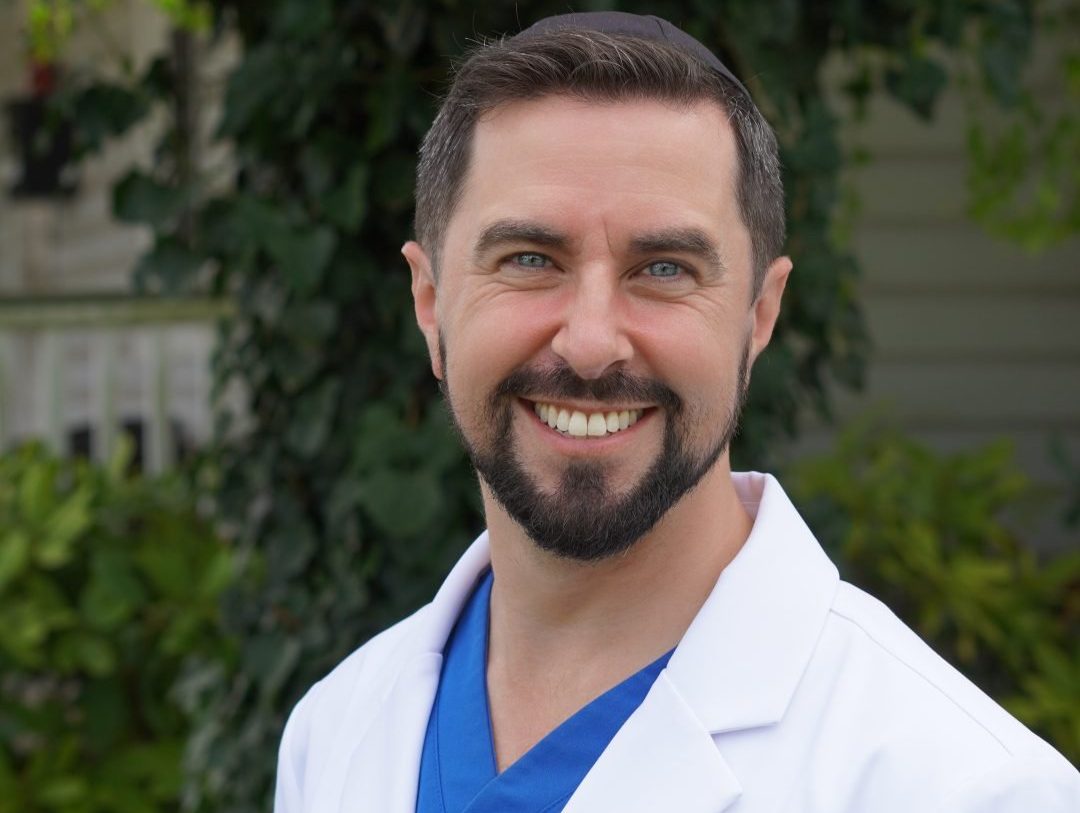
Early orthodontic intervention, sometimes called Phase 1 orthodontics, addresses developing bite and jaw problems in children while the jaw is still growing. Treating certain conditions between ages seven and ten achieves results that are either impossible or far more complex to achieve once growth is complete. At Elevated Smiles Dentistry in Bel Air, MD, Dr. Joshua Englander evaluates children for early intervention opportunities and provides treatment that sets the foundation for a healthier bite.

Straighter Smiles
Personalized treatment
The American Association of Orthodontists recommends that all children have an orthodontic screening by age seven. At this age enough permanent teeth have erupted to evaluate the bite relationship between upper and lower jaws, and enough growth potential remains to intervene effectively if problems are found. Most children screened at seven do not need immediate treatment but benefit from monitoring. A smaller group has bite or jaw problems that respond best to early treatment before the facial bones have fully hardened.
Crossbites, where upper teeth bite inside the lower teeth, are among the most important conditions to treat early because they can cause asymmetric jaw growth when left uncorrected during development. Underbites, where the lower jaw protrudes forward, can be difficult or impossible to fully correct without surgery if jaw growth is complete. Severe crowding that is causing erupting permanent teeth to be impacted or significantly displaced benefits from creating space before the remaining teeth have fully erupted. Palate expansion using a removable or fixed expander takes advantage of growth to widen a narrow upper jaw, creating space without extractions.
Phase 1 treatment typically uses removable or fixed appliances rather than full braces. Palate expanders widen the upper arch. Space maintainers or active retainers guide erupting teeth into better positions. Partial braces on specific teeth address localized problems. Treatment usually lasts six to twelve months, after which the child enters a monitoring phase until the remaining permanent teeth erupt. A Phase 2 full treatment with braces or aligners may still be needed in adolescence, but it is typically shorter and less complex than it would have been without the early intervention.
No. Most children do not need Phase 1 treatment and benefit from waiting for all permanent teeth to erupt before beginning full orthodontic care. An early evaluation identifies the minority who genuinely benefit from early intervention.
Phase 1 treatment costs vary based on the appliances needed and treatment duration. If Phase 2 treatment is also required later, many orthodontists apply a credit from Phase 1 toward the total cost. Dental insurance orthodontic benefits often apply to Phase 1 treatment. Our team will review your coverage at your consultation.
Possibly. Phase 1 corrects specific developing problems but does not replace full orthodontic alignment. Many children who have Phase 1 treatment still benefit from Phase 2 braces or aligner treatment once all permanent teeth have erupted, though the Phase 2 treatment is typically shorter.
For some conditions, waiting has no significant consequence and treatment is equally effective later. For others, particularly crossbites and underbites, waiting allows problems to worsen and narrows the treatment options available. Dr. Englander will be specific about which category your child’s situation falls into.
Invisalign First is a version of the aligner system designed specifically for children in Phase 1 treatment. It can address a range of early bite and spacing issues. Dr. Englander will advise whether aligners or fixed appliances are more appropriate for your child’s specific needs.
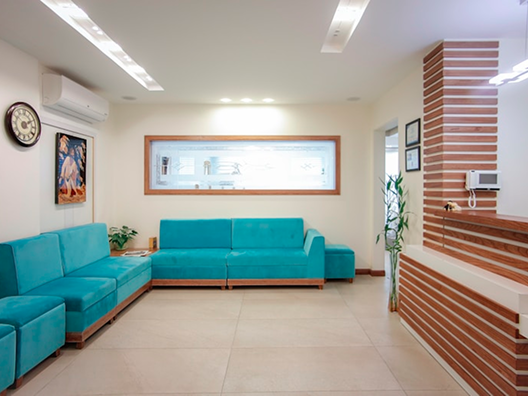
We Welcome You to Elevated Smiles Dentistry of Bel Air Maryland.
Schedule an AppointmentVisit us at our modern office in downtown Bel Air. We’re ready to help you achieve your best smile.
Monday: 8am – 4pm
Tuesday: 8am – 4pm
Wednesday: 7am – 3pm
Thursday: 7am – 3pm
Friday: By Appointment Only
Saturday: Closed
Sunday: Closed
Stay informed with the latest dental health insights and tips from our team.

A gummy smile is usually about proportion, not poor hygiene or brushing habits. This guide explains what causes excess gum display, how...

A nagging toothache is easy to brush off, but some symptoms are your body's way of asking for help. This guide covers...

A brighter smile is one of the most requested cosmetic treatments, yet many people wonder if whitening could harm their teeth. This...

Most people grew up believing they should see the dentist twice a year, but the honest answer is more personal than that....

A brighter smile feels great, but it rarely lasts forever. This guide explains how long teeth whitening results really hold, what makes...
A toothache rarely arrives at a convenient time. Whether it wakes you up at 2 a.m. or hits on a Sunday afternoon,...