
How to Fix a Gummy Smile: Cosmetic Treatment Options in Bel Air, MD
A gummy smile is usually about proportion, not poor hygiene or brushing habits. This guide explains what causes excess gum display, how...

A dental bridge is one of the most reliable ways to replace a missing tooth without surgery. It fills the gap with a custom-crafted artificial tooth held in place by crowns on the teeth on either side. The result is a fixed restoration that looks, feels, and functions like a natural tooth. At Elevated Smiles Dentistry in Bel Air, MD, Dr. Joshua Englander designs bridges that blend seamlessly into your smile.
Both can deliver excellent results. Implants are generally preferred when the adjacent teeth are healthy and there is adequate bone, because they do not require altering neighboring teeth and preserve bone long-term. A bridge is a good choice when bone grafting would be required for an implant, when the adjacent teeth need crowns anyway, or when surgery is not an option.
A three-unit bridge at Elevated Smiles Dentistry typically ranges from $2,500 to $4,500 depending on the materials used. Most dental insurance plans cover bridges as a major restorative procedure, typically at 50 percent after the deductible.
Yes. Once cemented, a bridge functions like natural teeth for eating. You may need a short adjustment period to get used to the feel of the restoration. Avoid chewing very hard objects like ice or hard candy directly on the bridge.
Standard floss cannot pass under the pontic. Use a floss threader, interdental brush, or water flosser to clean under the bridge daily. Dr. Englander will show you the proper technique at your follow-up appointment.
The teeth on either side of the gap will gradually drift into the space. The tooth above or below the gap will over-erupt. These shifts change your bite, increase wear on surrounding teeth, and make replacement more complicated the longer it is delayed.

Strong & Natural
Built to last
A dental bridge literally bridges the space where a tooth is missing. The two teeth on either side of the gap, called abutment teeth, are prepared by removing a small layer of enamel to make room for crowns. A custom bridge consisting of the two crowns and the artificial tooth, called a pontic, suspended between them is fabricated by a dental lab. The crowns are cemented permanently onto the abutment teeth, holding the pontic in the gap. The pontic rests on or just above the gum tissue, giving the appearance of a natural tooth growing from the gum.
A bridge is a proven, reliable option that has been used in dentistry for decades. Advantages include a fixed, non-removable result, no surgery required, relatively faster treatment time compared to implants, and good support from most dental insurance plans. Disadvantages include the requirement to alter healthy abutment teeth and the fact that a bridge does not stimulate the jawbone the way a natural root or implant does, which can lead to gradual bone loss under the pontic over time. For patients who prefer to avoid surgery or who do not have enough bone for an implant, a bridge is an excellent choice.
The bridge process takes two to three appointments. At the first appointment Dr. Englander prepares the abutment teeth, takes an impression or digital scan, and places a temporary bridge to protect the area while the permanent bridge is fabricated. At the second appointment the temporary is removed, the permanent bridge is tried in, and any adjustments needed are made to ensure proper fit and bite. The bridge is then cemented permanently in place. If your abutment teeth are healthy and do not require any additional treatment, the entire process typically takes two to three weeks from start to finish.
A well-maintained dental bridge typically lasts 10 to 15 years, and some last significantly longer. The critical factor is keeping the area under and around the bridge clean. Food and bacteria can accumulate under the pontic where a water flosser or floss threader is needed to reach. Routine checkups allow Dr. Englander to check the health of the abutment teeth and the integrity of the cement holding the bridge in place. A bridge that is well cared for is a durable and long-term solution.
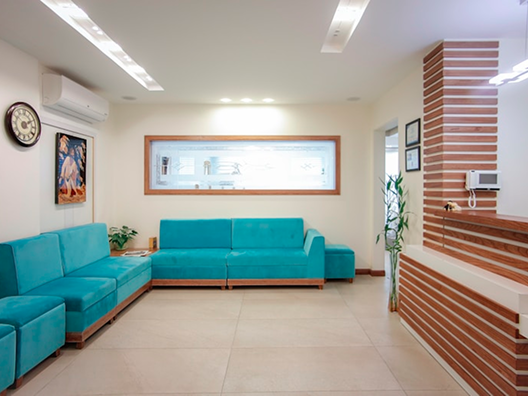
We Welcome You to Elevated Smiles Dentistry of Bel Air Maryland.
Schedule an AppointmentVisit us at our modern office in downtown Bel Air. We’re ready to help you achieve your best smile.
Monday: 8am – 4pm
Tuesday: 8am – 4pm
Wednesday: 7am – 3pm
Thursday: 7am – 3pm
Friday: By Appointment Only
Saturday: Closed
Sunday: Closed
Stay informed with the latest dental health insights and tips from our team.

A gummy smile is usually about proportion, not poor hygiene or brushing habits. This guide explains what causes excess gum display, how...

A nagging toothache is easy to brush off, but some symptoms are your body's way of asking for help. This guide covers...

A brighter smile is one of the most requested cosmetic treatments, yet many people wonder if whitening could harm their teeth. This...

Most people grew up believing they should see the dentist twice a year, but the honest answer is more personal than that....

A brighter smile feels great, but it rarely lasts forever. This guide explains how long teeth whitening results really hold, what makes...

A toothache rarely arrives at a convenient time. Whether it wakes you up at 2 a.m. or hits on a Sunday afternoon,...