How to Fix a Gummy Smile: Cosmetic Treatment Options in Bel Air, MD
A gummy smile is usually about proportion, not poor hygiene or brushing habits. This guide explains what causes excess gum display, how...

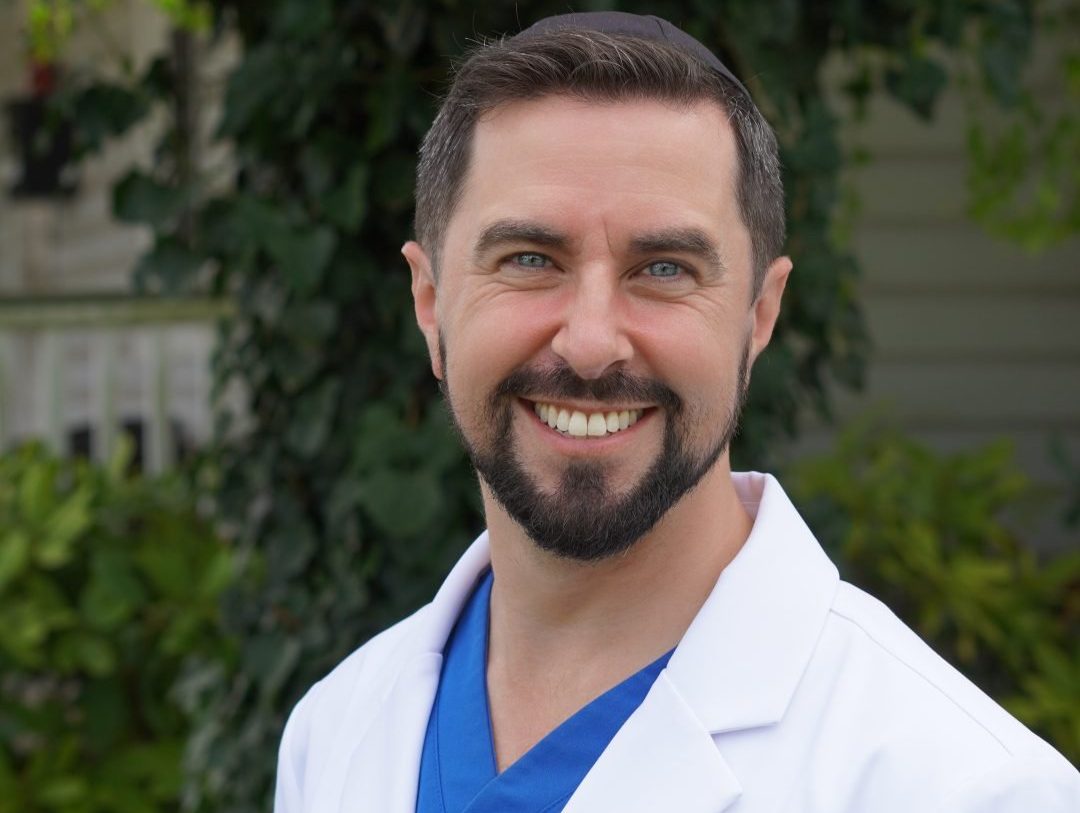
Oral cancer is one of the most survivable cancers when caught early, with a five-year survival rate above 80 percent for localized cases. When caught late, that number drops dramatically. At Elevated Smiles Dentistry in Bel Air, MD, Dr. Joshua Englander performs an oral cancer screening at every comprehensive exam, adding just a few minutes to your appointment that could make a significant difference.
Every dental exam includes a screening at Elevated Smiles, which for most patients means twice a year. Patients with elevated risk factors such as tobacco use, heavy alcohol use, or a prior cancer history may benefit from more frequent monitoring.
Not at all. The screening is entirely visual and involves light palpation of the soft tissues. There are no needles, instruments, or discomfort involved.
Various adjunctive technologies exist, including VELscope and other light-based screening tools, but the evidence for their superiority over a thorough visual exam is mixed. Dr. Englander performs a comprehensive clinical examination and will recommend adjunctive screening if he believes it adds value in your specific case.
Physicians do examine the throat and mouth during physical exams, but dental professionals are specifically trained in the systematic examination of all oral soft tissues. Regular dental visits remain the most reliable opportunity for thorough oral cancer screening.
Oral cancer screening is included as part of your comprehensive dental exam, which most insurance plans cover at 100 percent. There is no additional charge for the screening at Elevated Smiles.

Healthy Smiles
Stop problems before they start
An oral cancer screening is a systematic visual and physical examination of all the soft tissues in and around the mouth. Dr. Englander examines the lips, tongue, floor of the mouth, cheeks, gums, palate, and the back of the throat. He looks and feels for any changes that fall outside the normal range: unusual sores, white or red patches, thickening of the tissue, lumps, or areas that bleed without cause. He also checks the neck and lymph nodes for any swelling. The screening adds about two to three minutes to your exam and is completely painless.
While oral cancer can occur in anyone, certain factors increase risk significantly. Tobacco use in any form, including cigarettes, cigars, pipes, and smokeless tobacco, is the single largest risk factor. Heavy alcohol consumption, especially combined with tobacco use, multiplies the risk. Human papillomavirus, specifically the HPV 16 strain, is now recognized as a leading cause of oropharyngeal cancers affecting the back of the throat and base of the tongue in people who have never smoked. Prolonged sun exposure affecting the lips, a history of any head or neck cancer, and being over the age of 40 are also risk factors. That said, about a quarter of oral cancer cases occur in people with no known risk factors at all, which is why routine screening matters for everyone.
Finding something unusual during a screening does not mean you have cancer. The majority of abnormalities are benign and resolve on their own. If Dr. Englander sees an area that concerns him, he will typically ask you to return in two weeks to see if it has changed. Many tissue irritations, canker sores, and minor trauma sites clear up within that timeframe. If an abnormality persists after monitoring, he may recommend a biopsy, in which a small tissue sample is sent to a pathology lab for analysis. The biopsy result is the only definitive way to determine whether cells are cancerous.
Beyond your dental exams, it is worth knowing what to look for on your own. See a dentist or doctor promptly if you notice a sore in the mouth or on the lip that has not healed after two weeks, a red or white patch anywhere in the mouth, a lump or thickened area in the cheek, tongue, or throat, difficulty swallowing or persistent hoarseness, unexplained bleeding in the mouth, numbness in any area of the mouth, tongue, or face, or a sore throat that has not resolved. Most of these symptoms have innocent explanations, but they should be evaluated without delay when they persist.

We Welcome You to Elevated Smiles Dentistry of Bel Air Maryland.
Schedule an AppointmentVisit us at our modern office in downtown Bel Air. We’re ready to help you achieve your best smile.
Monday: 8am – 4pm
Tuesday: 8am – 4pm
Wednesday: 7am – 3pm
Thursday: 7am – 3pm
Friday: By Appointment Only
Saturday: Closed
Sunday: Closed
Stay informed with the latest dental health insights and tips from our team.

A gummy smile is usually about proportion, not poor hygiene or brushing habits. This guide explains what causes excess gum display, how...

A nagging toothache is easy to brush off, but some symptoms are your body's way of asking for help. This guide covers...

A brighter smile is one of the most requested cosmetic treatments, yet many people wonder if whitening could harm their teeth. This...

Most people grew up believing they should see the dentist twice a year, but the honest answer is more personal than that....

A brighter smile feels great, but it rarely lasts forever. This guide explains how long teeth whitening results really hold, what makes...

A toothache rarely arrives at a convenient time. Whether it wakes you up at 2 a.m. or hits on a Sunday afternoon,...